Talks, workshops and training on digital evidence, deepfakes and cybercrime, with the experience of someone who has spoken at ABIN and at OAB/SP, the São Paulo Bar Association, and has 57 television appearances to his name.
Why these talks
There is an enormous distance between knowing that digital evidence matters and knowing what to do with it on Monday morning. That distance is what every talk and every training session sets out to close: content born of real forensic cases, real courts and real frauds, translated for those who decide, defend or investigate.
No generic slides: the material starts from what a forensic expert sees in the laboratory and in the case files, from the forged screenshot to the voice deepfake, and shows what supports one argument and what dismantles the other.
Who presents
Computer forensics and forensic handwriting expert, registered with 11 courts
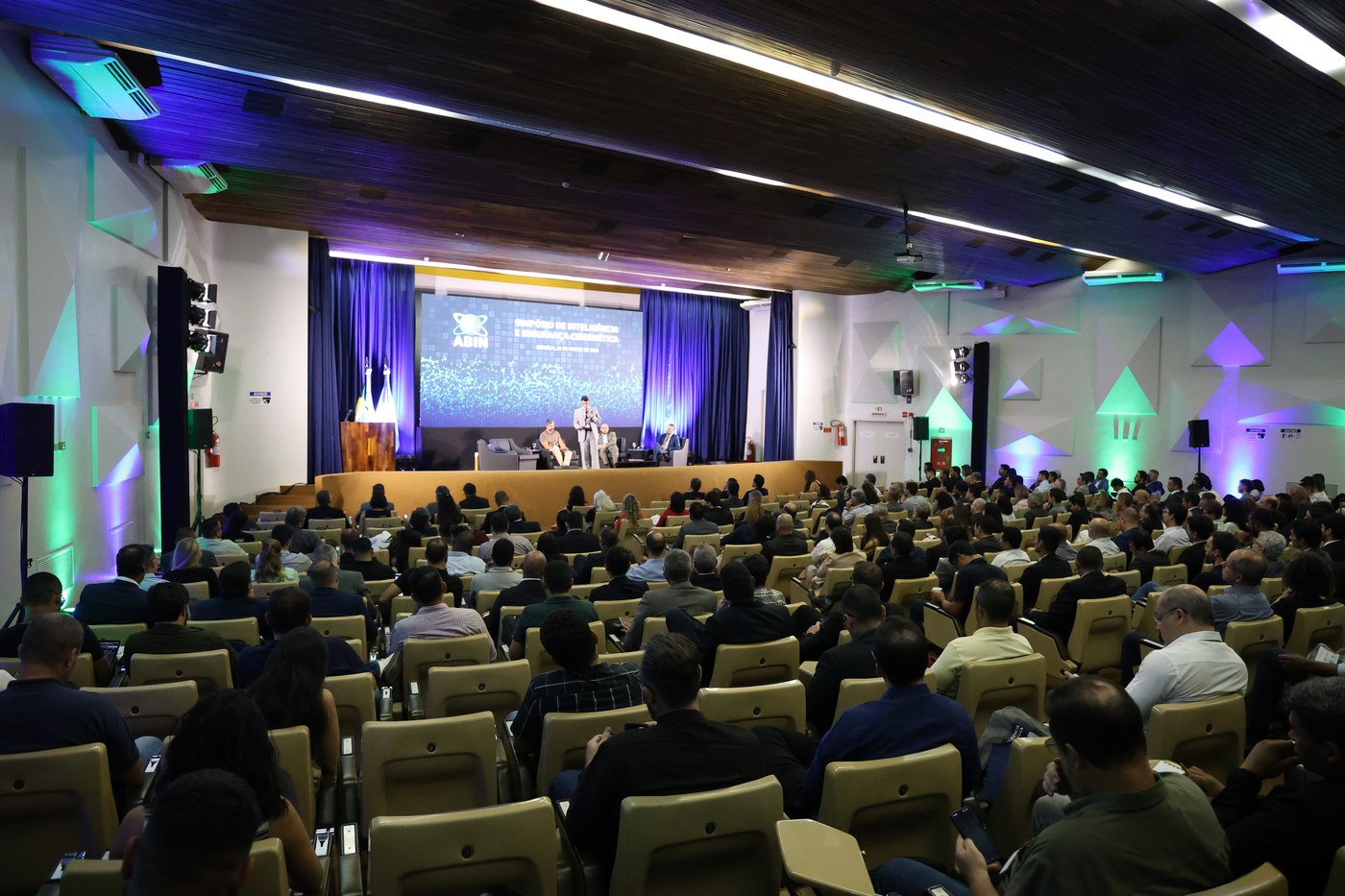
Speaker at the 1st Symposium on Intelligence and Cyber Security of ABIN, the Brazilian Intelligence Agency (Brasília, 2025)
Lecturer at Universidade Presbiteriana Mackenzie and author published by SENAC
More than a hundred interviews on television, radio and podcasts: Record, SBT, Band, RedeTV!, TV Cultura and TV Câmara
Talks at OAB/SP, the São Paulo Bar Association, and at national digital law conferences since 2018
Training and talks are teaching and technical outreach activities, distinct from forensic casework.
Available topics
Six topics, one common thread: what digital evidence reveals
For lawyers
Digital evidence in legal practice
How to request, preserve and challenge digital evidence: screenshot versus forensic extraction, chain of custody, what the recent case law of the STJ (Brazilian Superior Court of Justice) has been striking down and how to draft questions to the expert that actually work.
Current affairs
Deepfakes and artificial intelligence
Cloned voices, synthetic video and manipulated images: how AI fraud operates, how it can be detected and what changes for contracts, hearings and reputations. With cases that made the national news.
For companies
Insider threat and corporate investigations
The risk that is already inside the house: internal fraud, data leakage, unfair competition. How to conduct an inquiry that protects the company and supports whatever decision follows, from dismissal to court proceedings.
Executives
Digital security for executives
Account takeover, social engineering, spying through apps and exposure of personal assets: what directors and their families need to change in their digital routine, without jargon and with real examples.
Technical and legal
Forensic examination of WhatsApp and messaging
Conversations, audio messages and "conversation PDFs": what validates a message as evidence, how a conversation is forged and how forensic examination separates the authentic from the fabricated.
General public
Digital crime and scams
The repertoire built over more than a hundred interviews on television, radio and podcasts: romance scams, fake call centres, contactless payment fraud, cloned biometrics. How the scams work from the inside and how to avoid them.
Formats
From the conference stage to the training room
KeynoteA 45 to 60 minute talk for events, conferences and conventions, with real cases and demonstrations. In person or online
WorkshopHalf a day of practical immersion in one topic, with exercises based on cases and real space for questions. Smaller groups
In-companyClosed training, designed around the context of the organisation: legal, security, HR, compliance or leadership
Postgraduate classA class or module in postgraduate and continuing education courses, drawing on classroom experience as a lecturer at Mackenzie
Tailor-made
No talk comes off the shelf
The content is adjusted to the audience and to the client's objective: the examples change if the audience is made up of employment lawyers, security managers or students. A prior briefing defines the technical depth, the duration and the cases relevant to the sector.
Who it is for
Law firms and in-house legal departments
Companies: information security, HR, compliance and leadership
Public bodies, law enforcement and intelligence services
Events, conferences and conventions in the legal and technology sectors
Universities, postgraduate programmes and continuing education courses
Professional associations and sector bodies
Seen on: Record TV · SBT · Band · RedeTV! · TV Cultura · TV Câmara
Stages and records
Where this content has already taken the stage
ABIN, the Brazilian Intelligence Agency · 1st Symposium on Intelligence and Cyber Security (Brasília, 2025)
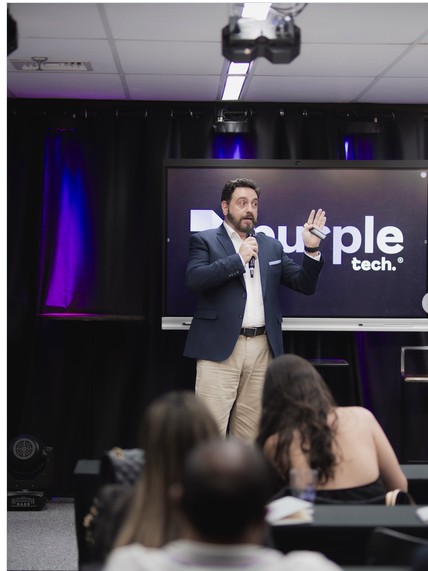
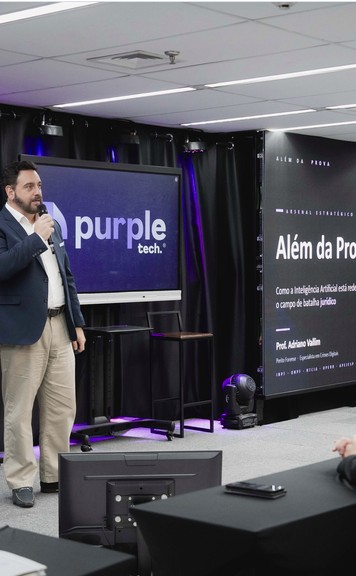
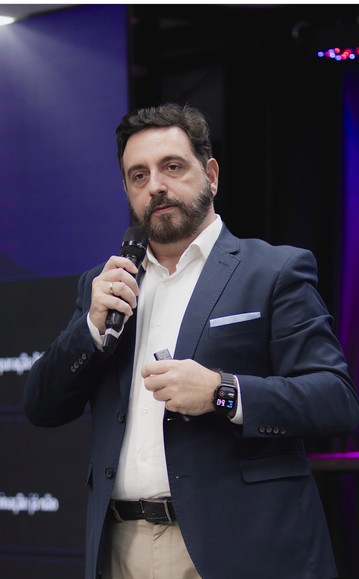
Purple Tech · Advocacia Exponencial com IA: talk "Além da Prova" (Beyond the Evidence, 2026), with a public testimonial recorded on video
Digital Law Academy · Faculdade Impacta: speaker in a 7-hour programme on computer forensics, cybercrime and AI in legal practice (2026)
OAB/SP, the São Paulo Bar Association · 3rd National Digital Law Congress
5th National Digital Law Congress (2021)
ICoFCS · HTCIA Brazil: digital security on computing devices (2018)
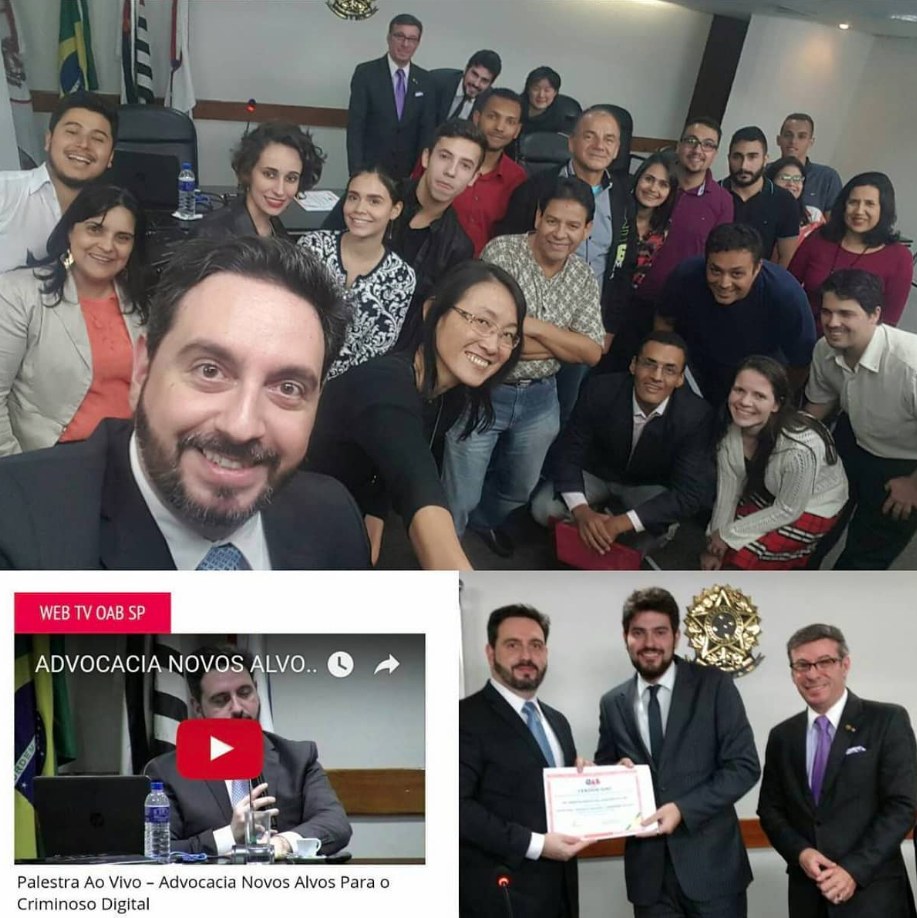
OAB/SP · talk "Advocacia: Novos Alvos para o Criminoso Digital" (Law Firms: The New Targets of the Digital Criminal), for lawyers, broadcast by Web TV OAB SP
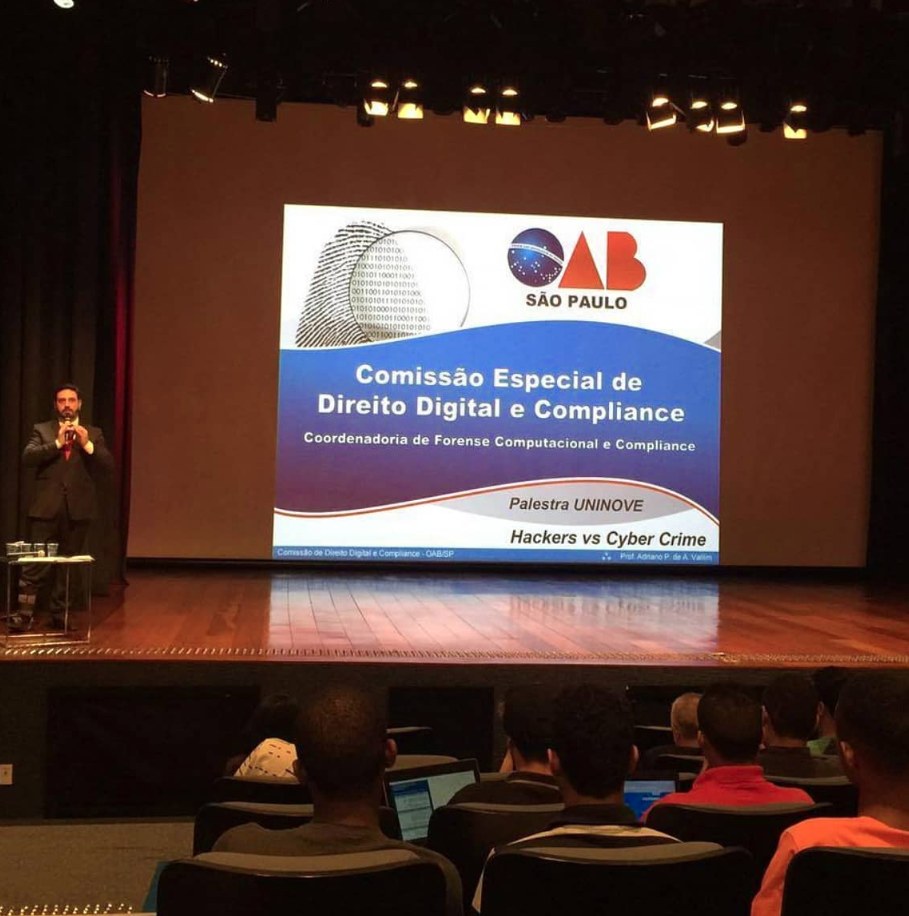
Uninove · talk "Hackers vs Cyber Crime", to a packed auditorium with the technology classes of every semester
Digital Law Congress · talk at a university in Santos
EPD · Escola Paulista de Direito, the São Paulo Law School
PUBLIC CASE
Talk for the Brazilian Intelligence Agency (ABIN)
Technical talk at the 1st Symposium on Intelligence and Cyber Security, at ABIN headquarters in Brasília (2025), on computer forensics and investigative methodologies applied to state intelligence.
PUBLIC CASE
Talk "Além da Prova" at Advocacia Exponencial com IA (Purple Tech)
Keynote for lawyers on digital evidence and artificial intelligence (2026). The event produced a public video testimonial, available on the Media page.
PUBLIC CASE
Talk "Advocacia: Novos Alvos para o Criminoso Digital" (OAB/SP)
Developed after several law firms were identified as targets of digital crime: the criminals looked for case information, edited the initial pleadings inside the firm's own environment and extorted the defendant company by claiming to be court staff with access to modify the case file. In the vast majority of instances, the firm did not notice the tampering and filed the pleading. Broadcast live by Web TV OAB SP.
PUBLIC CASE
Talk "Hackers vs Cyber Crime" (Uninove)
Held by the Computer Forensics Coordination Office of the Digital Law and Compliance Committee of OAB/SP, to a packed auditorium with the university's technology classes from every semester.
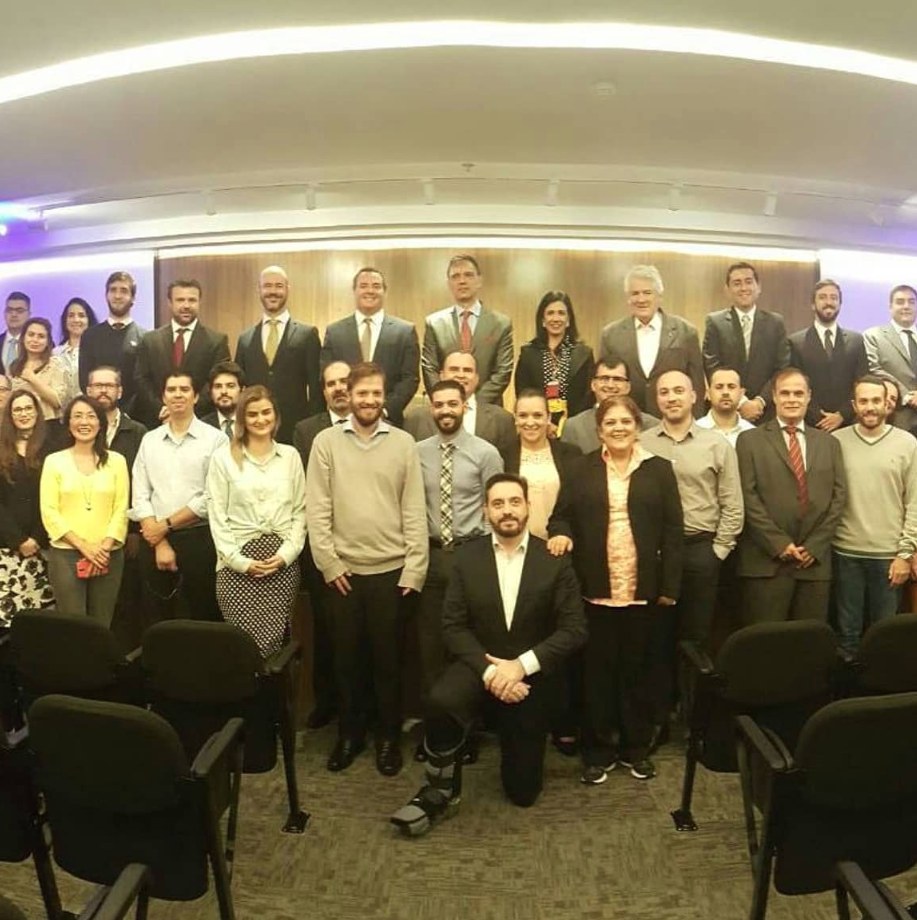
Auditoriums, audiences and behind the scenes at the events where this content has been presented.
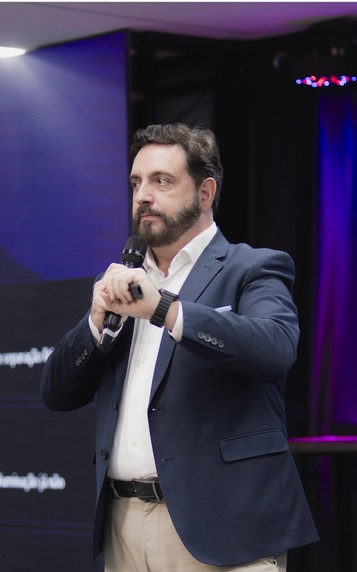
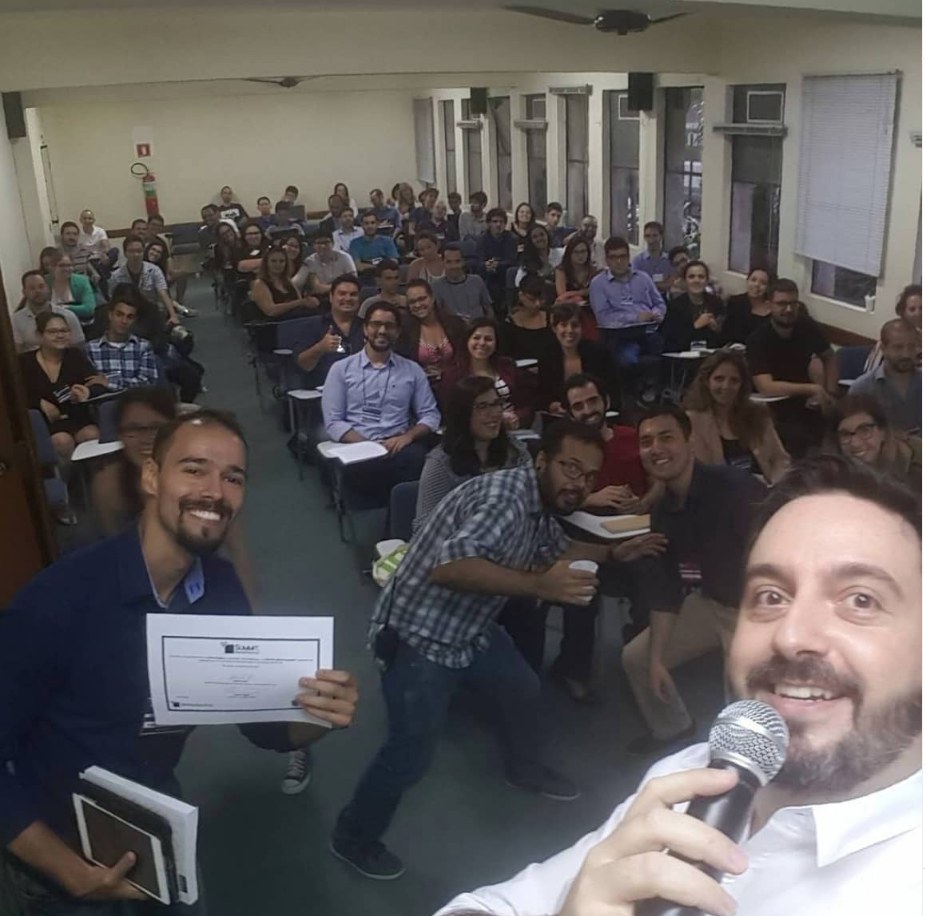
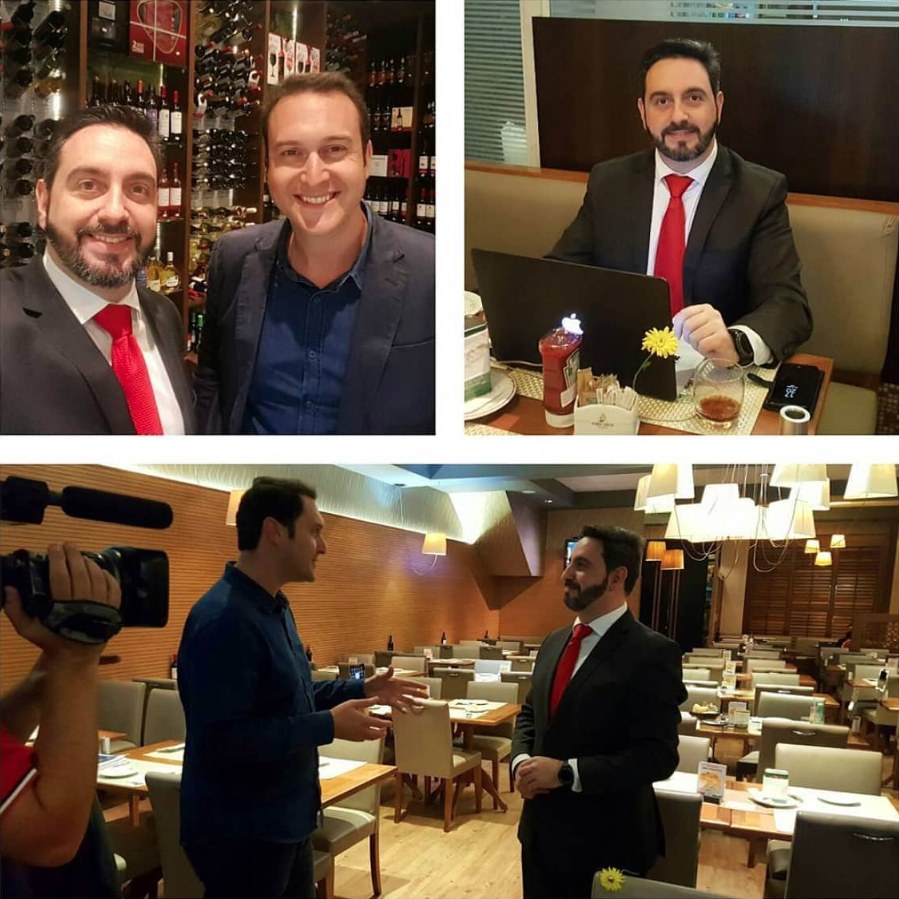
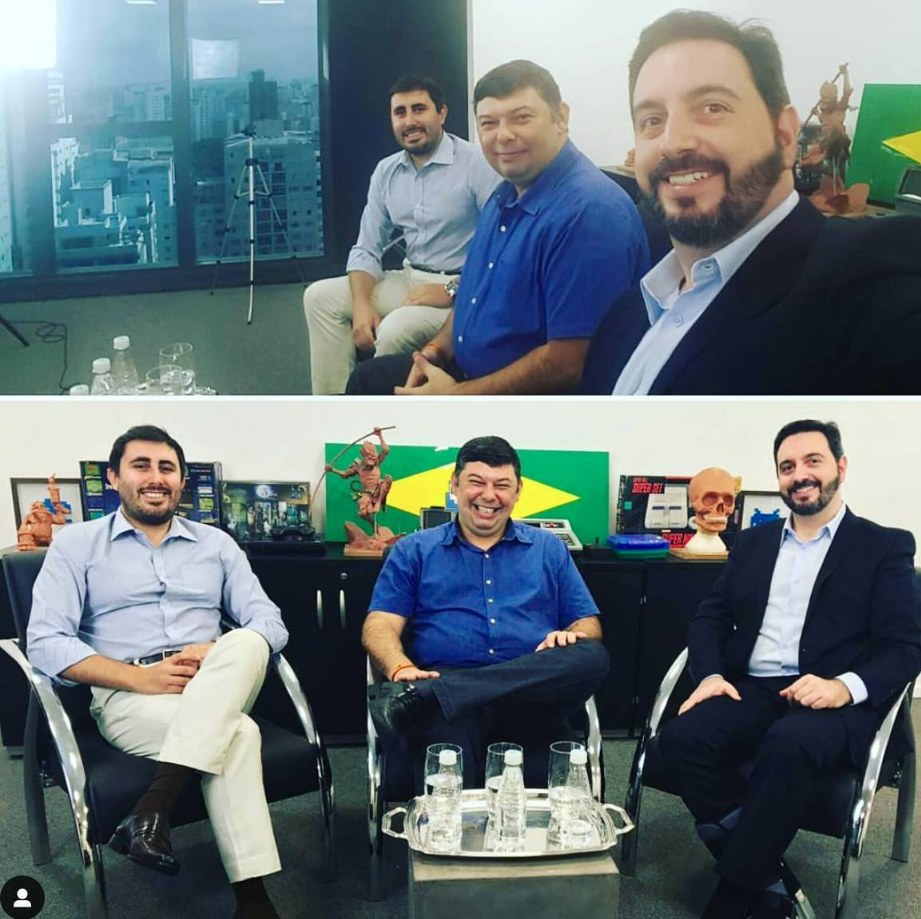
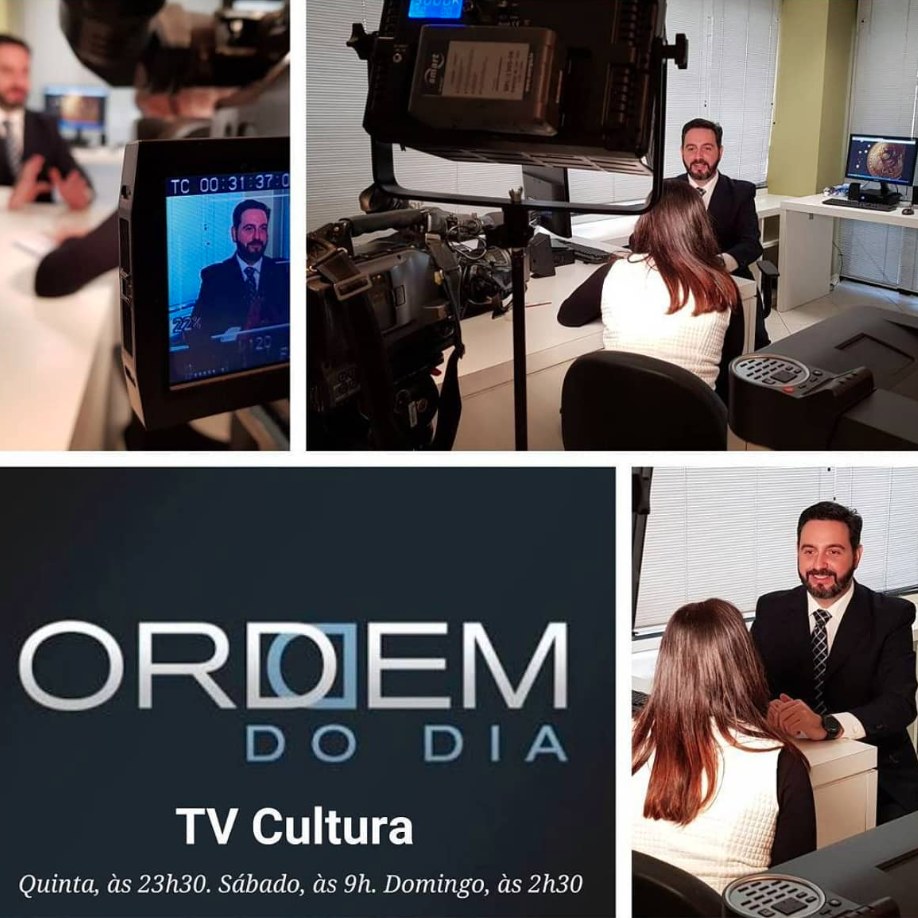
ABIN · Brasília, 20251st Symposium on Intelligence and Cyber SecurityPurple Tech · São Paulo, 2026Talk "Além da Prova" at Advocacia Exponencial com IAPurple Tech · São Paulo, 2026Advocacia Exponencial com IAPurple Tech · São Paulo, 2026Advocacia Exponencial com IAPurple Tech · São Paulo, 2026Advocacia Exponencial com IAPurple Tech · São Paulo, 2026Advocacia Exponencial com IAUninove · São PauloTalk "Hackers vs Cyber Crime", with the technology classes of every semesterOAB/SP · São Paulo"Advocacia: Novos Alvos para o Criminoso Digital"Santos · SPDigital Law CongressRecord TV · Making ofDemonstration of Wi-Fi risks: 80 mobile phones accessed in a bakery and a restaurantInterview · eSportsForensic examinations in eSports and gaming, with Moacyr Alves (ESL) and Helio Coelho, a lawyer specialising in the fieldTV Cultura · Making ofInterview for the programme Ordem do DiaEPD · São PauloTalk at Escola Paulista de Direito
How booking works
ContactA message to palestras@vallim.eu or through the form, describing the event or the need in a few lines
BriefingA conversation about audience, objective, format, date and venue; from there the topic is shaped for the audience
ProposalScope, duration, technical requirements and terms in writing, settled before any commitment
PreparationContent and cases selected for the client's sector; prior alignment with the event organisers
DeliveryIn person anywhere in Brazil or live online; keynote, workshop, in-company training or class
MaterialsWhere provided for in the proposal: course notes, references and a certificate of attendance for training sessions
Bring this content to your event or team
An intended date, an estimated audience and a topic of interest are enough to start. Answer within 24 hours on business days, with availability and a proposal to follow.
Yes. Keynotes and classes work well live by video conference, and workshops can be adapted to a remote format. In person, bookings cover the whole of Brazil; events abroad are considered subject to the schedule.
Is the content adapted to my audience?
Always. The prior briefing defines the technical depth, the examples and the cases used: an audience of lawyers gets case law and evidentiary strategy; a security team gets method and tooling; a general audience gets the scams explained from the inside. The title may be the same; the talk never is.
How is the fee determined?
By proposal, case by case. The factors are the format (keynote, workshop, in-company, class), the duration, the travel involved, the degree of customisation of the content and the nature of the client. Terms are presented in writing after the briefing, with no public price list.
How far in advance should I book?
The sooner the better: the speaking schedule competes with forensic casework and court deadlines, which take precedence. As a guide, events with a fixed date benefit from being raised a few weeks in advance; nearer dates can be considered subject to availability.
Do training sessions come with a certificate and materials?
Where provided for in the proposal, yes: workshops and in-company training may include course notes, annotated references and a certificate of attendance. In postgraduate classes, certification follows the rules of the teaching institution.
Before deciding, it is worth seeing what has already come through this laboratory: cases described without identifying the parties, in the format of challenge, method and result.