The summary is on the home page; here is the full protocol: what happens at each stage, how custody is materialised, and the standards that sustain it.
The six steps summarised on the home page are, in practice, a complete protocol. Below is what happens at each stage and what you receive at the end of each one.
A no-cost consultation to understand the nature of the dispute, the objectives and the available evidence. This is where the most important question is answered before any spending: does the argument have technical support? The assessment is frank both ways, including when the recommendation is not to run an examination. Cases with a procedural deadline approaching or an incident under way get priority in response.
A formal document with scope, planned methodology, deadlines and fees, priced case by case: fixed fees, technical hourly rate or fees contingent on the outcome. The confidentiality agreement (NDA) is signed before any analysis, and the conflict of interest check happens at this stage. Nothing starts with a handshake: what will be done is put in writing before it is done.
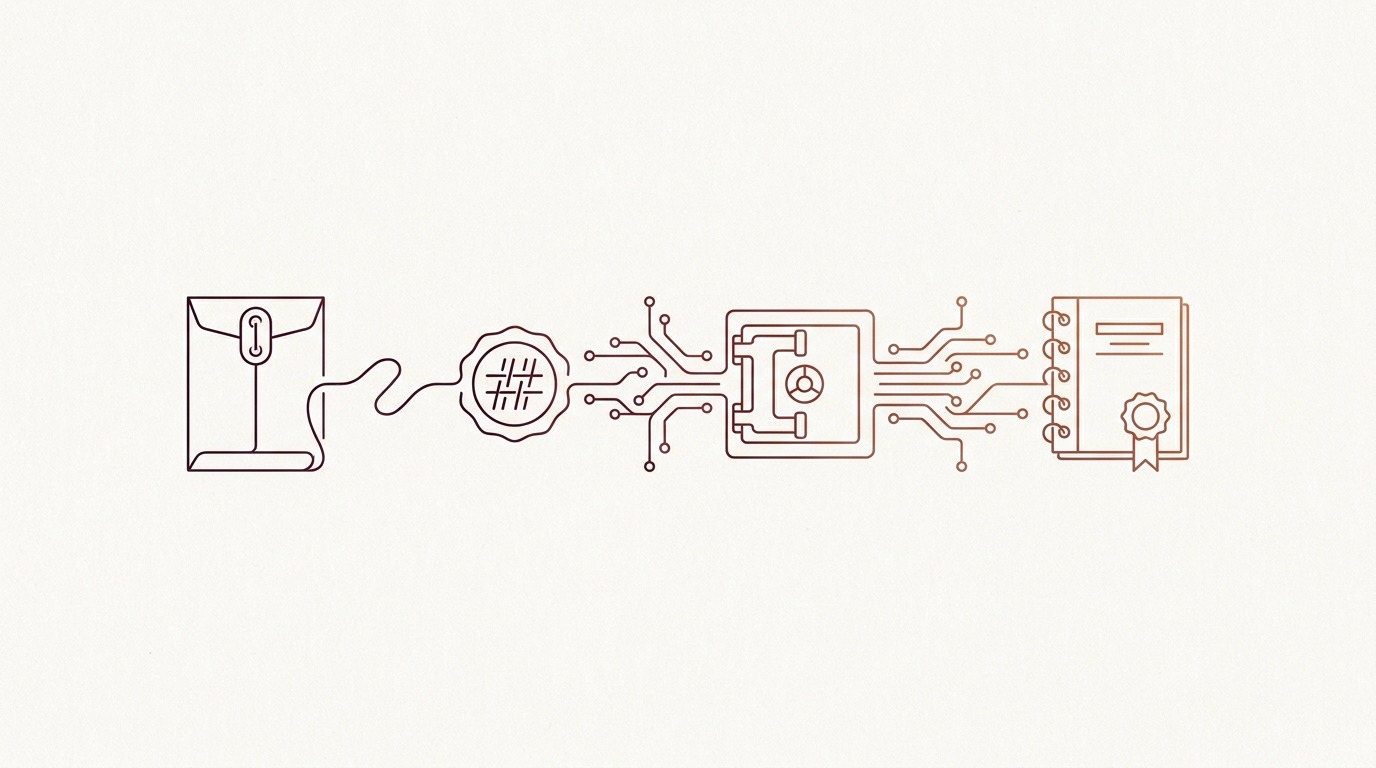
The heart of the chain of custody: receipt photographed and described, numbered seal, acquisition with write blockers and hardware duplication producing a bit-for-bit forensic image, with the hash calculated during the acquisition itself. Mobile devices are isolated from the network immediately. When the evidence sits in another city or country, assisted remote collection documents every step of the session.
Every examination runs on the copy, never on the original, which waits in a certified vault room (ABNT NBR 15247 / EN 1047-2) with restricted access. Dedicated servers index and correlate the data; alternative hypotheses are tested and ruled out in writing; the limitations of the examination are stated before the conclusion. Recognised forensic tools, with the version recorded in the report.
The final instrument states the methodology, documents the chain of custody, answers the questions to the expert point by point and presents the conclusions in language the court follows without an interpreter. ICP-Brasil digital signature, delivery media finalised as read-only and a verification hash: either party can check the integrity of what it received.
The work does not end at filing: written clarifications, supplementary submissions, attendance at hearings and technical defence of the report against challenge. Whoever signs it defends every conclusion in person, before any instance where it is questioned.
Chain of custody is the traceable record of everything that happened to the evidence: who touched it, when, with which tool and for what purpose, from receipt to the outcome of the case. The concept entered Brazil's Code of Criminal Procedure (CPP) through Law 13,964/2019 (arts. 158-A to 158-F), and the courts apply it with growing rigour to digital evidence: material accessed before examination, with no hash and no seal, has been held unusable.
In laboratory practice, this takes the form of verifiable gestures: every interaction with the material has an author, date, time and purpose noted down; the examination runs on the forensic image authenticated by hash; the original stays sealed in the vault room; and the delivery media goes out read-only. Any forensic expert, including the one appointed by the opposing party, can retrace the path and reach the same verification.
It is this reproducibility that decides the fate of a report in court. The CPC, art. 479 (Brazilian Code of Civil Procedure) reminds us that the judge is not bound by the expert report; what persuades is the method demonstrated. And the fruit of the poisonous tree doctrine cuts the other way: evidence contaminated at source contaminates everything derived from it. Between those two threads, the chain of custody is what keeps the evidence standing.